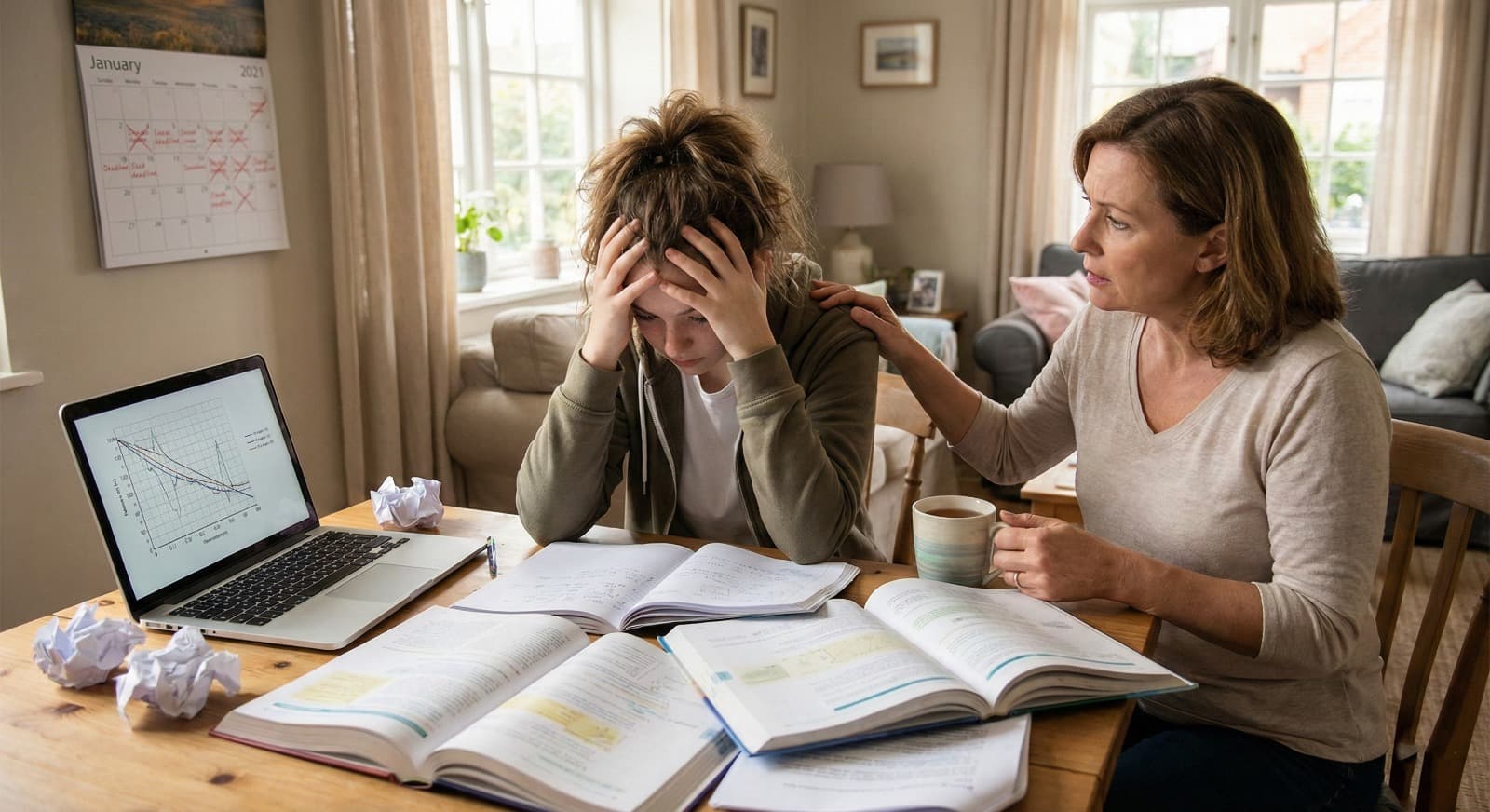
Is Your Teen Stressed? Understanding Adolescent Stress — Causes, Detection & Practical Solutions
Adolescence is an extraordinary phase of growth, learning, and emotional development — but it’s also a time when many children begin to experience stress. Stress in adolescents is the body’s natural psychological and physical response to pressures that feel overwhelming or demanding. These pressures can come from school and academic competition, social expectations, family dynamics, screen overload, upcoming exams, and even rapid biological changes happening during puberty. When a teenager feels stuck between external pressures and internal expectations — without clear ways to cope — stress becomes more persistent and noticeable. This stress isn’t just an ordinary reaction; for many teens, it can impact both mind and body. Constant anxiety about grades, social acceptance, and future success can lead to difficulty focusing, mood swings, sleep problems, or even withdrawal from activities they once enjoyed. Physically, prolonged stress might show up as headaches, muscle tension, fatigue, or changes in appetite. If stress becomes chronic without healthy coping mechanisms, it can escalate into broader mental health concerns like depression or anxiety disorders — which, in serious cases, affect daily functioning. Understanding how to detect adolescent stress early and what solutions can help isn’t just important — it’s crucial for helping children grow into healthy, resilient adults. Parents and caregivers who stay informed and engaged have a much better chance of guiding teens through this challenging but formative period. How to Detect Stress in Adolescents Early recognition of stress can prevent more serious emotional and behavioural issues from developing. Some common signs that a teenager might be stressed include:
Behavioural changes: Sudden irritability, withdrawal from friends or family, loss of interest in hobbies or activities that they used to enjoy.
Academic difficulties: Trouble concentrating, declining grades, or avoidance of schoolwork because it feels overwhelming.
Physical symptoms: Frequent headaches, muscle tightness, stomach aches, changes in eating patterns, or disrupted sleep routines.
Emotional signs: Persistent sadness, increased frustration, or exaggerated reactions to small problems. These signs are often subtle at first but can grow more pronounced over time. For example, if a teen suddenly refuses to leave their room, loses motivation for things that once excited them, or is unusually sensitive to criticism, it may be linked to stress building up inside. Paying attention to changes like these — especially if they persist for more than two weeks — is key. It’s also important to recognise that stress can look different in different teens. Some may express it through quiet withdrawal, while others may become more irritable or defiant. Growth spurts and hormonal changes inherent in adolescence add another layer to this experience, making emotional regulation seem harder for teens than it might be for adults. Solutions: How to Help Teens Overcome Stress Thankfully, there are effective ways to help teens cope with stress healthily. These range from everyday habits to deeper emotional support. Here are some practical, evidence-based strategies: